The UK hospitality sector has raised serious concerns as government business rates relief for pubs is set to be gradually withdrawn over the next three years.
Chancellor Rachel Reeves’s stance, particularly her decision not to extend additional support to hotels, shops, and cafes, has sparked criticism from industry representatives and Members of Parliament across party lines.
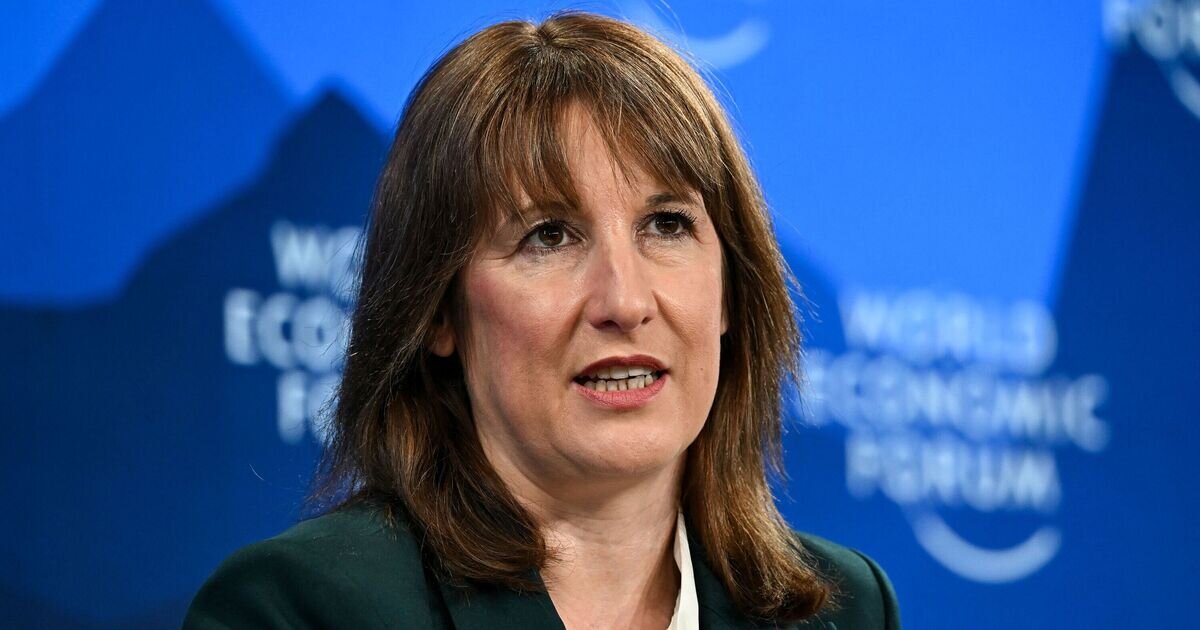
The changes, expected to take effect from April, risk significant rises in operational costs for many high street businesses, with fears of widespread job losses and closures. This debate has intensified following statements made by the Chancellor at the World Economic Forum in Davos.
Business rates for UK hospitality under scrutiny
The government’s approach to business rates remains under intense examination as the scheduled end of pandemic-related relief draws near.
Many pubs across the United Kingdom face business rate increases of up to 63 percent when new property valuations come into effect from 1 April.
According to the Beer and Pub Association, these rises could impose an additional £150 million in annual costs on the sector, putting approximately 15,000 jobs at risk.
Industry bodies and business owners have repeatedly called for continued relief to offset these rising costs. Business rates for hospitality venues are partly based on the value of their premises, heightening the impact on those located in higher-value regions or properties.
Government relief for pubs and its phased withdrawal
Chancellor Rachel Reeves recently announced that the existing package of business rates relief, which has assisted the hospitality sector since the onset of the Covid-19 pandemic, will be gradually wound down over the next three years.
Treasury Minister Dan Tomlinson confirmed in Parliament that this relief is 'slowly unwinding', meaning many businesses will need to plan for higher future liabilities. While Ms Reeves has indicated that further support specific to pubs is being considered, no concrete details have yet been provided.
Meanwhile, other segments of the hospitality industry, including cafes, restaurants, and hotels, have been told they will not receive additional government intervention. Reeves has argued, 'The situation the pubs face is different from other parts of the hospitality sector.'
Industry reaction to business rates increases
Trade organisations and business groups have voiced concerns about the possible ramifications for high street businesses as these financial pressures mount.
Allen Simpson, Chief Executive of UKHospitality, said, 'The entire hospitality sector faces the same cost challenges from eye-watering business rates hikes to the soaring cost of employment. These are not challenges unique to pubs.
Our hotels, restaurants and cafes, to name a few, all face their business rates bills increasing by thousands.' UKHospitality has warned that, unless comprehensive support is introduced, the sector risks significant redundancies and business failures. Simpson added, 'Without a package of support for the entire sector, I fear it will be too little, too late.'
Political and parliamentary responses
Members of Parliament from both opposition and governing parties have joined industry figures in criticising the government’s stance. Shadow Chancellor Sir Mel Stride stated, 'The Chancellor chose higher business rates over backing our high streets.'
Labour MPs including Dame Meg Hillier and Liam Byrne also warned of the negative impact on small businesses, with Hillier describing 'eye-watering increases in business rates' in her constituency. Rachael Maskell highlighted that local retailers could see their rates rise by up to 93 percent, threatening their survival.
Some MPs have called for urgent clarity on the scope and timing of promised support, especially for pubs and independent retailers. Toby Perkins, Labour MP, stressed that 'Many pubs are really concerned, and are under the impression that further help is coming. They are trying to make accounting decisions right now.'
Impact on communities and future prospects
Across the UK, hospitality and retail sectors remain vital to local economies and community life. The phased withdrawal of financial support comes at a challenging time, with many businesses still recovering from the effects of the pandemic and contending with elevated energy prices.
'This is not just about pubs; it is about all hospitality businesses, including music venues,' said Labour backbencher Cat Eccles, who noted the combined impact of new property valuations, the end of pandemic relief, and rising business costs. Concerns have also been raised about community cohesion and the risk of boarded-up town centres.
According to the Beer and Pub Association and local stakeholders, the potential for jobs losses and closures is prompting some venues to take high-profile actions, such as limiting access for certain MPs in protest at government policies.
Final Summary
The phased removal of business rates relief for UK pubs and the absence of immediate plans to assist other high street businesses have put government policy under scrutiny from industry leaders and politicians alike.
As substantial increases in business rates approach, hospitality and retail businesses express apprehension about their future viability, warning of job losses and a potential wave of high street closures.
The government insists it is charting a path to sustained economic growth but faces persistent demands for more inclusive support for businesses handling mounting costs.
Stakeholders, policy-makers, and business owners will be monitoring further developments closely. For those seeking to understand the evolving local business landscape, the Pie app offers timely news and analysis.