From April 2026, significant changes to UK tax administration will affect over 864,000 landlords, sole traders, and self-employed individuals with incomes exceeding £50,000.
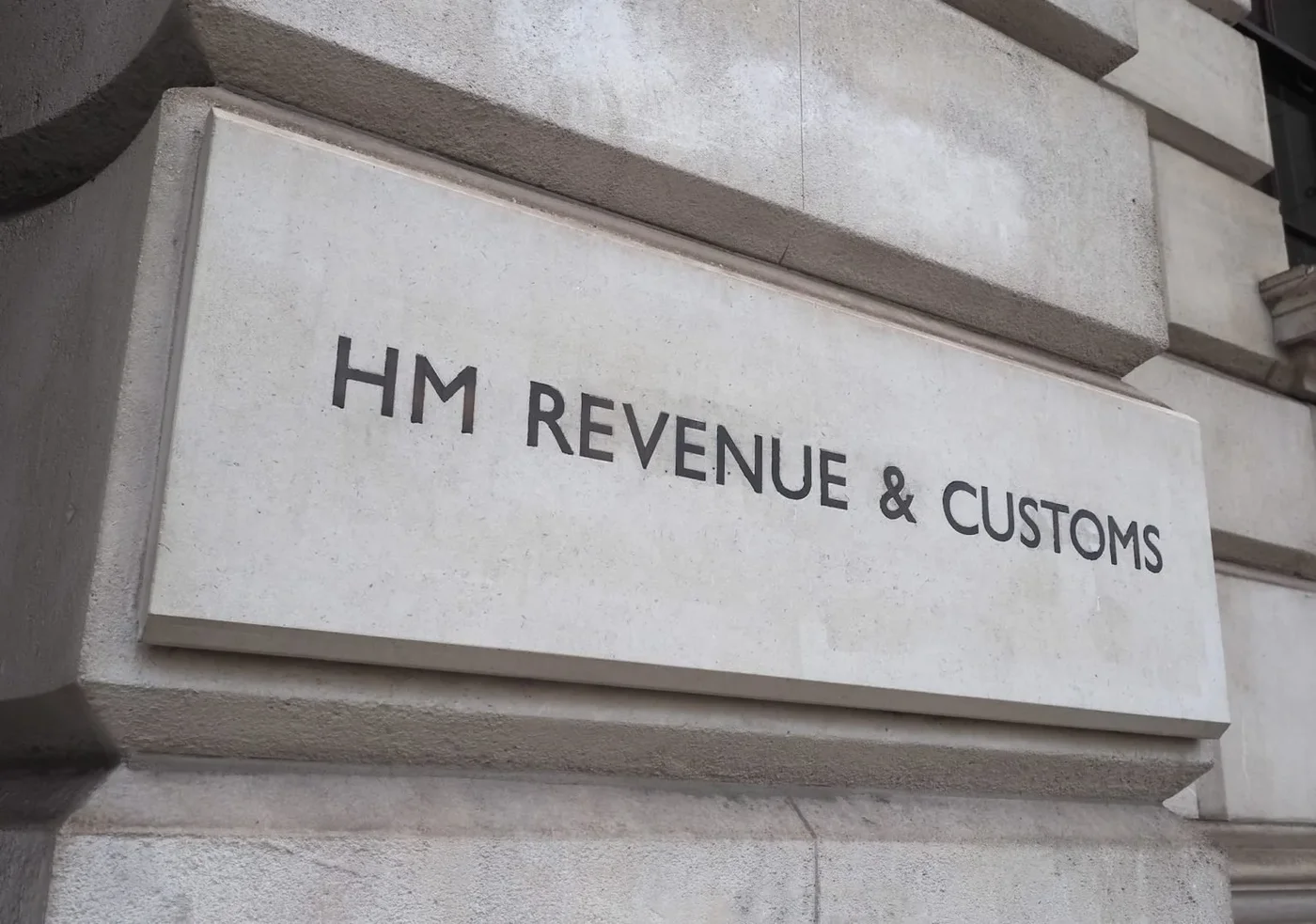
HM Revenue & Customs (HMRC) is implementing new requirements for digital reporting as part of its Making Tax Digital (MTD) programme, aiming to modernise tax compliance and improve the accuracy and efficiency of submissions.
The introduction of these rules marks a major shift in annual tax filing processes and is expected to have substantial implications for those managing property and business incomes.
Who Will Be Affected by the HMRC Changes?
Starting April 2026, individuals whose combined self-employment and property income exceeds £50,000 annually will be required to comply with the digital reporting obligations.
This cohort includes landlords, sole traders, and other self-employed professionals such as consultants and freelancers. Industry estimates suggest over 864,000 taxpayers will need to adapt to this new system. Those earning below the £50,000 threshold are not subject to these requirements at this stage but may be included in future phases of the programme.
Overview of Making Tax Digital for Income Tax
Making Tax Digital for Income Tax is intended to replace traditional annual tax returns with a digital system. Under the new regulations, taxpayers must maintain and submit their income and expense records using software compatible with HMRC systems.
The move is part of a broader government initiative to streamline tax collection, reduce errors, and provide a more transparent and up-to-date view of taxpayers’ obligations throughout the year.
New Obligations for Digital Record Keeping
Affected individuals will be required to keep digital records of all self-employment and property-related income and expenses. These records must be created, stored, and updated using approved accounting software.
Additionally, taxpayers must submit quarterly updates to HMRC, summarising their income and expenditure. An end-of-period statement and a final declaration outlining total income for the tax year must also be completed. Payment of any tax due will continue to be required by 31 January following the end of the tax year.
Transition Timeline and Key Deadlines
The new digital reporting regime will become mandatory from 6 April 2026. By this date, all individuals in the affected income group must be enrolled and using compatible software.
The quarterly reporting schedule will require updates at four intervals each tax year, adding ongoing administrative responsibilities. HMRC has stated that agents or advisers can assist with these submissions, provided they use MTD-compliant tools.
Expert Commentary on the Digital Shift
Tax professionals have highlighted both the challenges and potential benefits of the new system. Fraser Campbell, UK head of Azets’ Accounting and Business Advisory Services, commented, “MTD truly signifies the end of the traditional income tax return.
It represents a major change with the introduction of digital reporting obligations for hundreds of thousands of landlords, sole traders and the self-employed from April onwards.”
Campbell further noted the importance for affected individuals to begin preparations well in advance, stating, “It is crucial that they put plans in place to deal with this shift to ensure a smooth and compliant transition to the new regime.”
Final Summary
From April 2026, landlords, sole traders, and self-employed individuals with total income over £50,000 must adopt HMRC’s Making Tax Digital requirements. The changes are designed to modernise the tax system, digitalise record-keeping, and foster timely reporting through quarterly updates.
Tax experts advise all affected to ensure readiness by sourcing compliant software and considering professional support to avoid disruption. The new approach may initially increase administrative demands but promises enhanced accuracy and financial visibility.
For those seeking further guidance or digital resources for compliance and planning, tools such as the Pie app can help simplify tax management in the evolving digital landscape.