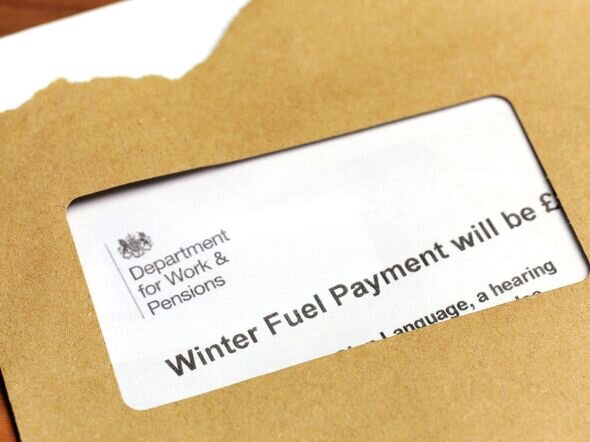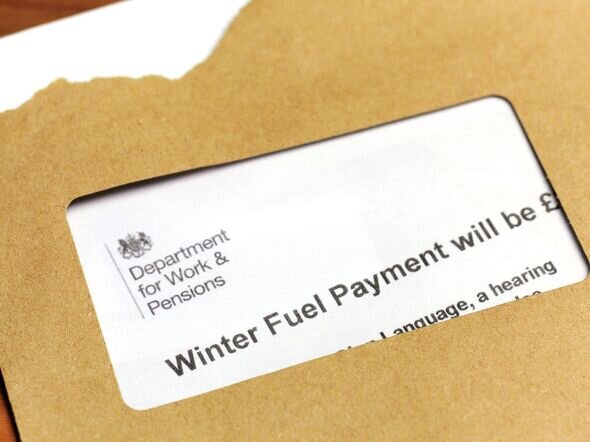
In July 2024, the government announced significant reforms to the winter fuel payment, seeking to restrict eligibility to pensioners in receipt of Pension Credit. Previously, the winter fuel payment was a universal benefit provided to all pensioners to help with increased energy costs during colder months.
The initial proposal would have excluded more than 10 million pensioners from the payment, reserving eligibility for only the approximately two million who receive Pension Credit.
This represented a substantial departure from the long-standing principle of universality in this benefit, prompting widespread political discussion and public scrutiny.
Immediate reactions and policy reversals
The government’s original decision to narrow eligibility for winter fuel payments sparked considerable public opposition and political debate. Numerous advocacy groups and members of Parliament voiced concern over the potential hardship for pensioners who, while not qualifying for Pension Credit,
nonetheless face rising living and energy costs. Amidst this backlash, ministers reversed course in response to what was described by officials as 'intense' feedback.
The Chancellor subsequently announced a revised system, replacing the proposed restrictions with a repayment mechanism linked to the recipient’s annual income. This new approach retains the upfront payment but introduces a means-tested clawback through taxation.
Details of the revised payment and recovery process
Under the revised rules, all eligible pensioners continue to receive the winter fuel payment as usual. The payment amounts remain unchanged: those under the age of 80 are eligible for up to £200, while those aged 80 or older receive up to £300.
A new annual income threshold of £35,000 has now been established. Pensioners whose total income (including state pension, other pensions, earnings, and savings) exceeds this amount will be required to repay the entire value of their winter fuel payment through their tax bill for the relevant tax year.
Impact on pensioners and implementation issues
The repayment mechanism fundamentally alters the way the winter fuel payment operates. Instead of some applicants being denied the payment outright, all eligible pensioners receive the benefit and only later discover if they must repay it, depending on their income.
Many pensioners have expressed concerns about the complexity of the new system. Navigating changes to tax codes can present challenges, particularly for those not familiar with tax processes.
Advocacy organisations have highlighted the risk of confusion and administrative errors during the transition.
HMRC’s tax code adjustments and repayment mechanism
HM Revenue and Customs (HMRC) has confirmed implementation will rely on adjusting tax codes for affected pensioners. Those who complete annual self-assessment tax returns will repay via this process, while others will see their PAYE tax code modified to collect the repayment automatically.
According to HMRC, pensioners cannot repay the amount early and must wait for the revised tax code to take effect in the following tax year.
For most, the additional tax to be deducted each month is expected to equate to a modest increase estimated at approximately £17 per month for a standard £200 benefit. Pensioners will be formally notified of any changes to their tax code by letter or via the official HMRC digital services.
Broader financial and policy implications
The reform aims to better target government financial support toward those with the greatest need, while reducing overall public expenditure. However, the system’s administrative complexity has raised questions about efficiency and the clarity of communication to pensioners,
particularly those not accustomed to changes in the tax system. Financial commentators have warned that the new approach could generate uncertainty and may increase administrative costs.
Policymakers argue that the revised system represents a compromise between universal benefits and targeted assistance, reflecting ongoing attempts to balance fiscal responsibility with support for vulnerable groups.
Final Summary
The government’s new winter fuel payment system introduces a means-tested repayment process that fundamentally changes the delivery of this key benefit for pensioners. While intended to ensure support reaches the least well-off, the change brings additional tax code complexities and potential confusion for many recipients.
Moving forward, the effectiveness and fairness of the revised approach will be closely monitored by both government and advocacy groups.
For pensioners seeking clarification or support with the new rules, tools such as the Pie app can assist with staying updated on changes to pension and benefit entitlements.