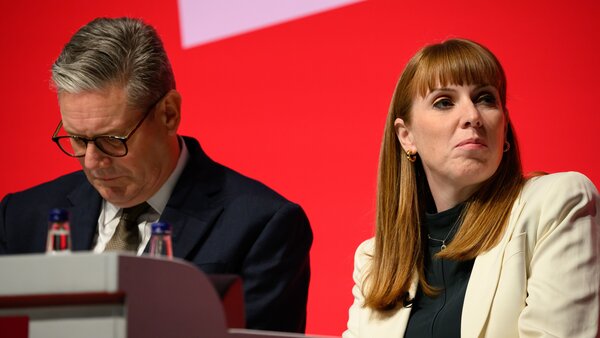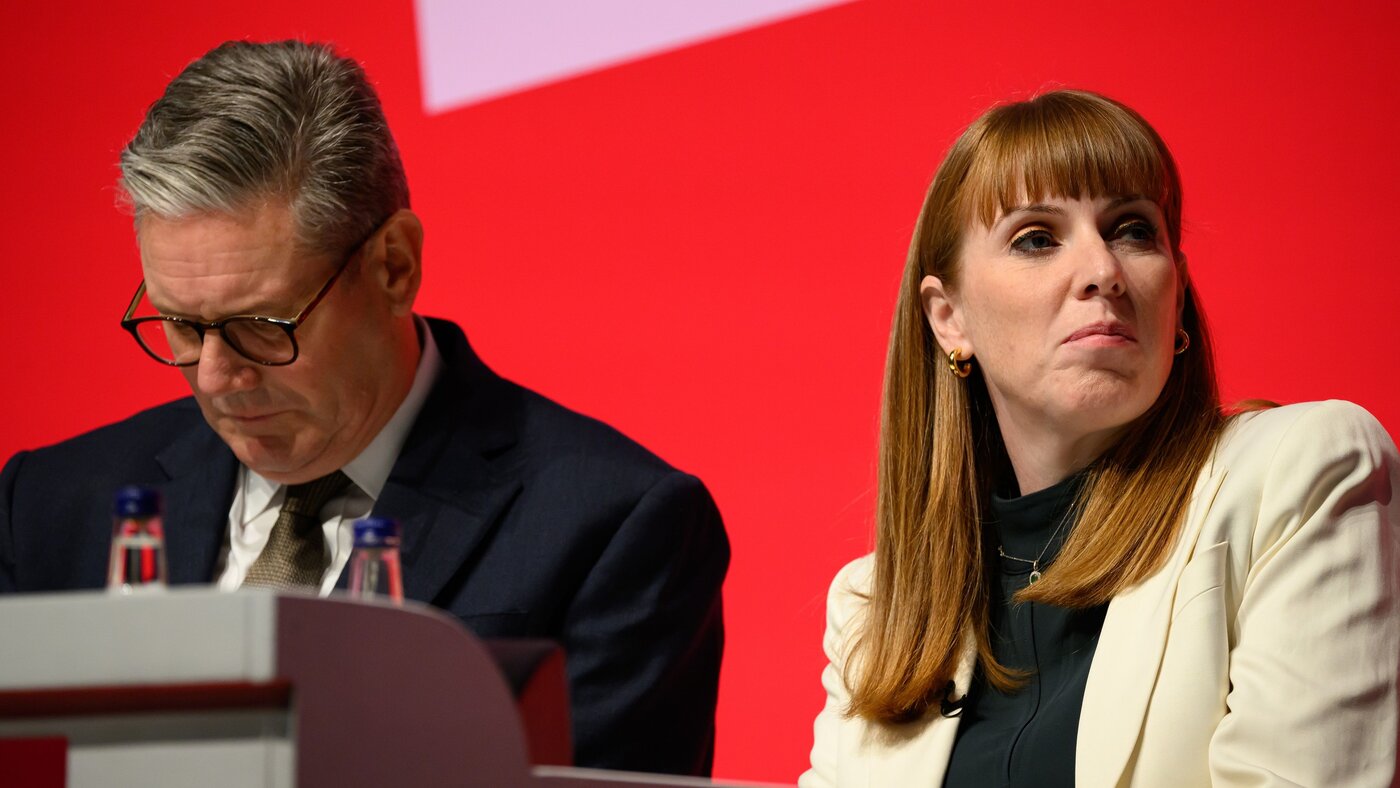
The Labour Party has come under renewed scrutiny regarding its commitment to political integrity and openness about the personal conduct of senior officials. With Sir Keir Starmer serving as Prime Minister, the party’s leadership has repeatedly stressed its focus on values and transparency.
However, recent events including donations, alleged benefits from gifts, and the behaviour of high-profile ministers have prompted debate about the party’s ability to uphold these standards.
Calls for clarity and accountability continue from both the public and political opponents, raising questions about the future direction of the government.
Labour’s Commitment to Principles Under Scrutiny
Labour leaders have consistently highlighted their intent to govern with integrity and to restore trust in public office after recent years of political controversy.
Sir Keir Starmer has positioned himself and his party as an alternative to past Conservative administrations, with an emphasis on decency and ethical leadership. Nonetheless, critics have pointed to perceived inconsistencies, focusing on occasions when Labour’s leadership has shifted its position on policy matters or reversed previous statements.
Parliament watchers note that accountability is essential for maintaining the public’s trust, particularly following electoral commitments.
Manifesto Promises and Post-Election Policy Shifts
During the most recent election campaign, Labour’s manifesto included pledges not to raise taxes on working people and to provide support for businesses and specific demographic groups, including women impacted by historical pension changes.
After the election, questions have arisen over the government’s ability to maintain all such promises. Some policy decisions taken by the current government, including support for military action and approaches to certain social justice issues, have invited close examination for perceived contradictions with campaign positions.
While government statements have asserted that all decisions are guided by current circumstances, opposition parties have accused Labour of policy reversals.
Gifts, Donations, and Financial Transparency
Concerns regarding donations, gifts, and benefits received by party leaders and ministers have also surfaced in public discussions. Media reports have cited estimates suggesting Sir Keir Starmer has received more than £100,000 in gifts, including tickets to high-profile events. Government registers confirm that elected officials must declare such gifts in accordance with parliamentary rules.
Additionally, the topic of special pension arrangements and retirement benefits for senior officials has been debated in Parliament and by think tanks. Official records show that ministerial pensions and benefits are subject to regulations defined by the Independent Parliamentary Standards Authority.
Allegations Involving Labour Ministers and Officials
Several Labour ministers and prominent aides have been embroiled in separate allegations, prompting resignations or investigations. Tulip Siddiq resigned from her post following reports of a family-related controversy linked to overseas business.
Rushanara Ali, formerly a housing minister, has faced scrutiny regarding the letting of her property, although all statements have indicated compliance with existing law. Cases involving other Labour figures, such as the appointment of peers and disciplinary actions taken against individuals with alleged connections to legal or ethical breaches,
have added to the party’s challenges. Official records show that ministers found to have violated the Ministerial Code are subject to investigation by the Prime Minister’s adviser on ministerial interests.
Historical Context and Public Perception
Allegations of misconduct and reversals of policy are not new in British politics. Both Labour and Conservative administrations have faced public criticism over matters of financial transparency, personal conduct, and the appointment of advisers or peers.
The ongoing debate reflects a broader concern in the UK about standards in public life and the need for consistent accountability. Survey data from reputable polling organisations have shown that trust in political leaders is closely linked to perceived integrity and openness. Changes in policy direction following elections have historically prompted scrutiny from both the press and the public.
Final Summary
The Labour Party's approach to integrity, policy consistency, and ministerial conduct remains under close observation following recent scrutiny.
While government leaders claim that all decisions and appointments adhere to established standards, critics and opposition figures continue to demand transparency and accountability. The continuing debate reflects broader public interest in ethical governance and the reliability of pre-election commitments.
Stakeholders seeking timely updates and budget analysis can use financial news resources, such as the Pie app, to remain informed on future developments.