More than 50 Labour MPs have signed letters urging party leaders to reverse the decision blocking Andy Burnham, Mayor of Greater Manchester, from standing in a forthcoming by-election. The dispute comes amid significant government announcements on leasehold and ground rent reforms, which are expected to affect up to one million people.
Political parties across the spectrum have voiced both approval and concern over the pace and substance of proposed changes, including measures to cap and eventually abolish ground rents in England.
The debate over the Labour leadership’s direction and wider issues such as housing reform, by-election strategies, and party unity continues to intensify across the UK political landscape.
Labour MPs Call for Burnham Reinstatement
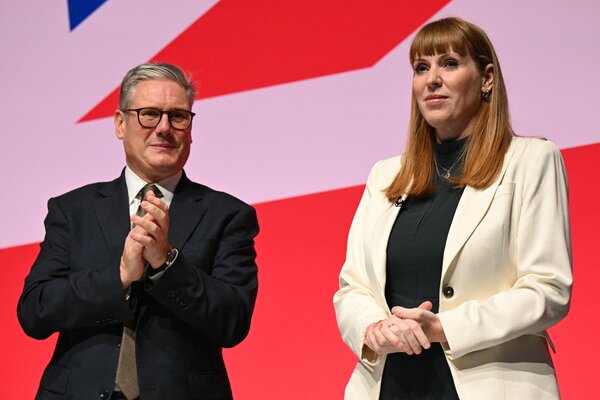
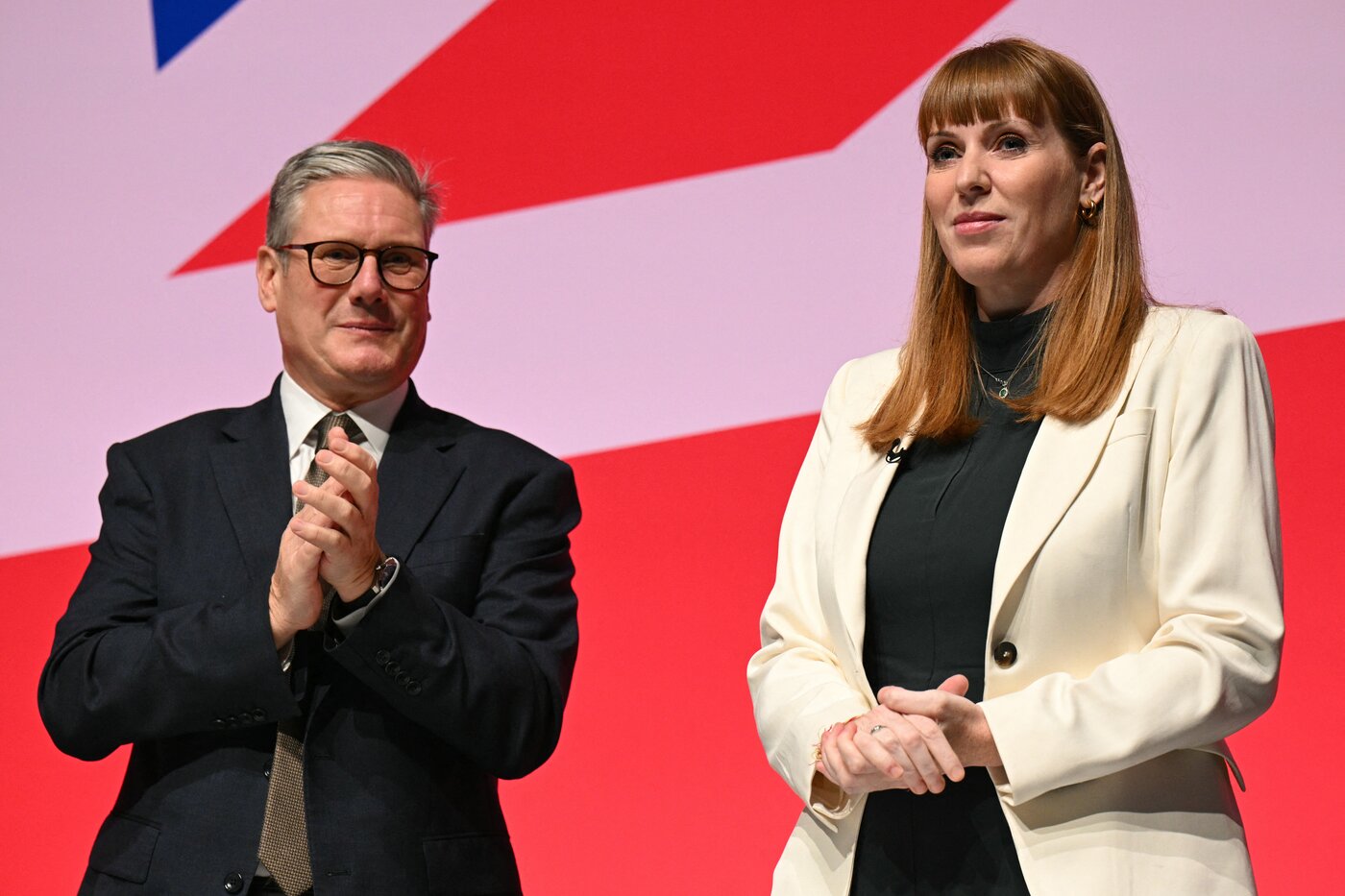
Over fifty Labour MPs from various factions have called on the Labour leadership to reconsider its decision preventing Andy Burnham from seeking selection in an upcoming parliamentary by-election.
The move has caused widespread discontent within the party, with MPs claiming the decision has generated “anger and anxiety” among members and supporters. Letters sent to the party leadership argue that blocking Burnham not only undermines respect for devolution and local leadership but could also strengthen rival political movements.
Some MPs described the decision as a “gift to Nigel Farage”, warning it risks projecting a lack of support for regional empowerment. A further letter reportedly signed by around 120 MPs from the Tribune group has also urged a reversal of the block.
Proposed Leasehold and Ground Rent Overhaul
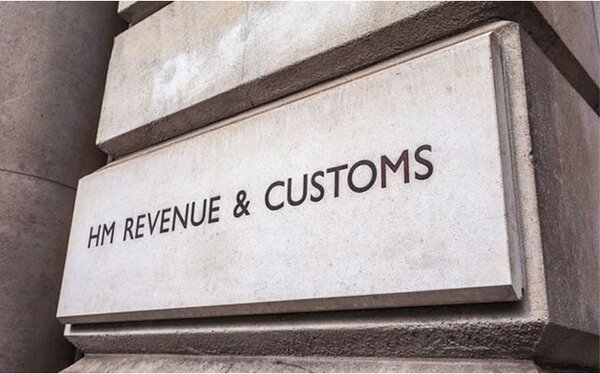
The government’s latest housing reform package includes a plan to cap ground rents for leaseholders at £250 per year from 2028, with a long-term objective to abolish ground rents entirely. These changes are estimated to benefit up to one million leaseholders, offering respite from high and often unpredictable charges that critics describe as “feudal” in nature.
Additional reforms will allow leaseholders to shift to a commonhold system and remove the risk of forfeiture, where defaulting on payments could previously lead to the loss of both home and equity.
These proposals are generally well received by most parties, though consumer groups and some professional associations caution about potential impacts on investor confidence and property rights.
Political Reactions to Housing and Leasehold Plans
Conservative leaders acknowledged the new leasehold measures as building on previous policy initiatives, while the Liberal Democrats praised the direction of reform but demanded more comprehensive action to abolish the leasehold system.
Gideon Amos, the Liberal Democrat housing spokesperson, welcomed relief for leaseholders but pressed for the complete end of the “absurd” and restrictive leasehold model. In contrast, the Residential Freehold Association strongly criticised the government’s intention to cap and eliminate ground rents
Claiming it would interfere with established property rights and could cost the sector over £27 billion in compensation. The association warned such reform might undermine investor confidence in the UK housing market and impact ongoing building safety projects.
Green Party By-Election Strategy Revealed
The Green Party has announced it will select its candidate for the Gorton and Denton by-election earlier than planned, in response to the confirmation of a 26 February polling date.
Party leader Zack Polanski, who has chosen not to stand despite local ties, stated, “Only Greens can beat Reform in Gorton and Denton… we are in it to win it.” The party hopes to capitalise on what they describe as declining Labour support in the constituency.
Critiques of Labour Leadership and Party Direction
Discontent within the Labour Party over the Burnham decision has exposed broader tensions regarding leadership strategy and direction. Ian Lavery, a left-wing Labour backbencher, argued that the party “risks dying with Keir Starmer” amid ongoing disputes.
Lavery described the move to block Burnham as an attempt to contain “Westminster psychodrama” that signals weakness at the highest level of the party, rather than discipline or unity. He further criticised what he described as “endless U-turns” and expressed concern that unless decisive change is implemented, the consequences for the party could be existential.
Lavery, a frequent internal critic, recalled Labour’s founding under Keir Hardie, suggesting that it now faced the prospect of losing its way under the current leadership.
Final Summary
Current UK political events reflect deep divisions within parties and across the wider political spectrum. Labour’s dilemma over Andy Burnham’s candidacy highlights growing debates about internal democracy, leadership, and the balance between national and devolved decision-making.
Simultaneously, the government’s housing and leasehold reforms have generated both praise and concern, with potential impacts for leaseholders, investors, and the broader property market. As parties finalise strategies for upcoming by-elections and policy reforms continue to provoke strong reactions, the national conversation remains focused on governance, social justice, and public accountability.
Citizens interested in following or contributing to policy discourse can stay informed through resources such as the Pie app, ensuring ongoing engagement with key issues affecting the country.