HM Revenue and Customs (HMRC) has released updated guidance explaining how tax codes for the state pension are adjusted following annual payment increases. These changes, which affect millions of pensioners across the United Kingdom, are particularly relevant following the recent uplift to state pension rates under the triple lock mechanism.
HMRC’s guidance clarifies that the method for calculating tax on state pensions differs depending on when an individual reached state pension age, aiming to ensure pensioners pay the correct amount of tax. The update comes as April 2026 sees another significant rise in pension payments.
Understanding State Pension Tax Codes
State pension is subject to income tax in the UK. For many pensioners, tax owed on state pension income is collected through adjustments to their tax code, typically under the Pay As You Earn (PAYE) system.
According to government guidance, HMRC may amend a pensioner’s tax code if their circumstances change, including alterations in state pension payments. These adjustments are intended to prevent under- or overpayment of income tax throughout the year.
Impact of the Triple Lock Increase
The triple lock policy ensures that state pension payments increase each April in line with the highest of three possible measures: inflation, average wage growth, or 2.5%.
For the 2026 financial year, state pensions have risen by 4.8%, reflecting earnings growth as the highest measure from the previous year. This annual increase means tax codes require regular updates to accurately reflect the new payment amounts.
How Tax Codes Are Adjusted
HMRC works collaboratively with the Department for Work and Pensions (DWP) to determine and apply the correct tax code for each pensioner. A spokesperson from HMRC confirmed, ‘We adjust tax codes based on information from DWP to help pensioners pay the right tax.’
Most pensioners paying tax do so through PAYE, which means that HMRC calculates their expected annual state pension by combining one week at the old rate and fifty-one weeks at the new, increased rate. This calculation is used to set the CY+1 coding deduction, where ‘CY’ refers to the current tax year.
Payment Days and Calculation Methods
Payment methods for the state pension vary depending on when an individual reached pension age. For those who qualified for the state pension on or after 6 April 2010, the payment day falls between Monday and Friday, determined by the last two digits of their National Insurance number.
For these pensioners, the first week in April sees no increase, so annual tax calculations typically involve one week at the previous rate and the remainder at the new rate. For those who reached pension age earlier, pension payments are issued on a fixed day, usually Monday, with widow beneficiaries paid on Tuesdays.
The HMRC’s Uprating Service calculates the annual coding deduction to reflect the specific number of weeks at the old and new rates, depending on when 6 April falls.
Special Cases and DWP Guidance
Government guidelines state that if 6 April falls on a Tuesday, Wednesday, Thursday, or Friday, the calculation will include one week at the old rate and fifty-one weeks at the new.
When 6 April falls on a Saturday, Sunday, or Monday, the deduction uses fifty-two weeks at the new rate. In some cases, DWP data provided to HMRC may not match a pensioner’s actual annual payment.
In these instances, pensioners are advised to contact HMRC with accurate information, and tax codes may be adjusted accordingly.
Final Summary
HMRC’s updated guidance seeks to provide clarity for pensioners regarding adjustments to their state pension tax codes following annual payment increases. By aligning tax code calculations with the triple lock policy and varied payment schedules, the process aims to ensure pensioners pay the correct level of tax.
Pensioners are advised to verify their tax codes, be aware of how changes in payment days affect calculations, and contact HMRC if discrepancies arise.
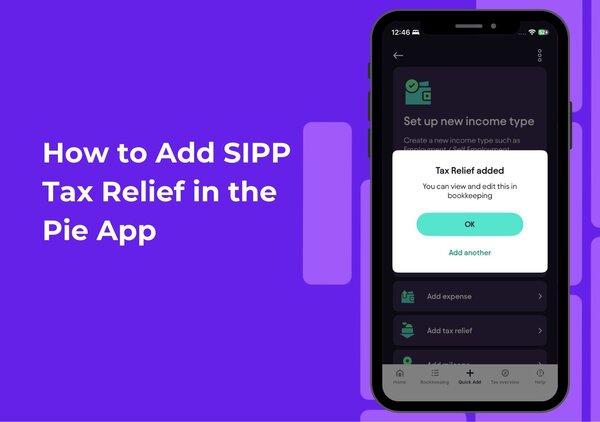
For those seeking to understand their state pension or track annual changes, financial tools such as the Pie app can offer further insight into personal tax matters.