What's the deal with HMRC digital risk assessment?
That notification from HMRC can make anyone's heart skip a beat. These days, it's not tax inspectors manually checking your return - it's clever computer systems doing the heavy lifting. HMRC now uses sophisticated digital tools to sift through millions of tax returns, looking for anything that seems a bit off.
Understanding how these systems work isn't about avoiding your tax responsibilities. Rather, it's about ensuring you're keeping good records and reporting things correctly. With proper knowledge, you can approach your tax affairs with confidence.
What exactly is HMRC's digital risk assessment?
Simply put, HMRC's digital risk assessment is an automated system that checks your tax information for anything unusual that might need a closer look. The system uses something called Connect - a massive database that pulls together information from loads of different sources to build a picture of your financial situation.
This isn't just basic checking. The system uses artificial intelligence to spot patterns and compare your information against what's typical for people in similar situations. Your tax return gets a risk score based on all this analysis, with higher scores indicating you're more likely to face questions.
Gone are the days when tax inspectors had to manually flag suspicious returns. Now, algorithms do most of the initial detection work much faster and more efficiently, allowing HMRC to focus their human resources on the most concerning cases.

Where does HMRC get all this data from?
Banks and financial institutions now share information with HMRC automatically. If you've got a bank account, HMRC likely knows about it and the money moving through it. When you buy or sell property, the Land Registry passes those details along as well.
Other government departments communicate with HMRC too. Your benefits, driving licence, and passport details are all potentially accessible. Additionally, HMRC even monitors social media and online marketplaces to identify undeclared income sources.
Tax authorities worldwide now share information under various agreements. That overseas account you thought was private? Probably not anymore. Furthermore, your employer, payment platforms, and other businesses regularly report information about you, creating a detailed financial footprint.
What might trigger HMRC's digital systems to look at your tax return?
Big changes in your income or expenses compared to previous years can wave a red flag. The system spots these variations easily and may flag them for further investigation. If your reported income doesn't match your lifestyle, such as buying expensive cars or property, the system might notice this mismatch.
Business expenses that look unusual for your industry can trigger questions. For instance, if similar businesses typically spend 5% on travel but you're claiming 20%, that stands out. Inconsistencies between different documents you've submitted are also easy for computers to spot.
A pattern of late filing or payments across multiple years might suggest you're not on top of your tax obligations. Additionally, missing income that HMRC knows about from other sources is a common trigger.
Last year, a colleague discovered this when HMRC contacted him about undeclared rental income they'd identified through Land Registry records.

How can you prepare for these digital assessments?
Keep detailed digital records of everything. The days of shoebox accounting are long gone organised digital records are your best defence. Make sure your business expenses are genuine and you've got the paperwork to back them up, as random round numbers look suspicious.
Double-check your return before submitting. Simple mistakes or typing errors can trigger unnecessary investigations. If you spot a mistake after filing, tell HMRC right away, as being upfront about errors looks much better than waiting for them to find problems.
For tricky tax situations, getting professional advice is worth every penny. An accountant can help you stay on the right side of the rules. Using HMRC-recognised software for your submissions helps ensure everything's formatted correctly and reduces the chance of errors.
What happens if your return gets flagged?
You'll usually get a letter or secure message first. Don't panic - sometimes HMRC just needs clarification on a specific point. They'll give you a timeframe to respond, and it's important to take this seriously as ignoring it won't make it go away.
Investigations come in different forms. Some are just simple checks on one part of your return, while others might be comprehensive reviews of several years. Any penalties depend on whether HMRC thinks you made an honest mistake or were deliberately trying to pay less tax than you should.
You can challenge HMRC's conclusions if you disagree. There's a formal process to appeal decisions you think are wrong. Remember, you have the right to professional representation throughout, and for serious investigations, having an expert in your corner can make a huge difference.

Final Thoughts
HMRC's digital systems are getting smarter every year. Keeping good records and being honest on your return is the best approach. For many people, tax feels overwhelming, which is where specialised tools can help make the whole process less stressful.
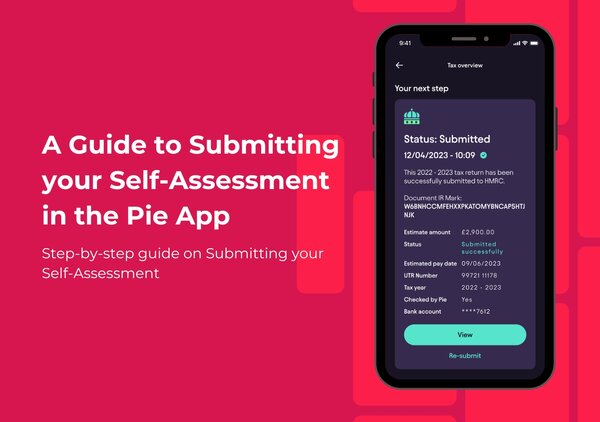
Pie is the UK's first personal tax app designed specifically for working individuals struggling with tax burdens. Unlike other solutions, Pie offers integrated bookkeeping, shows your tax figures in real-time, and simplifies the entire self assessment process.
With HMRC's systems becoming more sophisticated, having an app that helps you keep everything organised and compliant gives you peace of mind. Why not make tax season less stressful this year by ensuring your records are digital, complete and ready for any assessment?