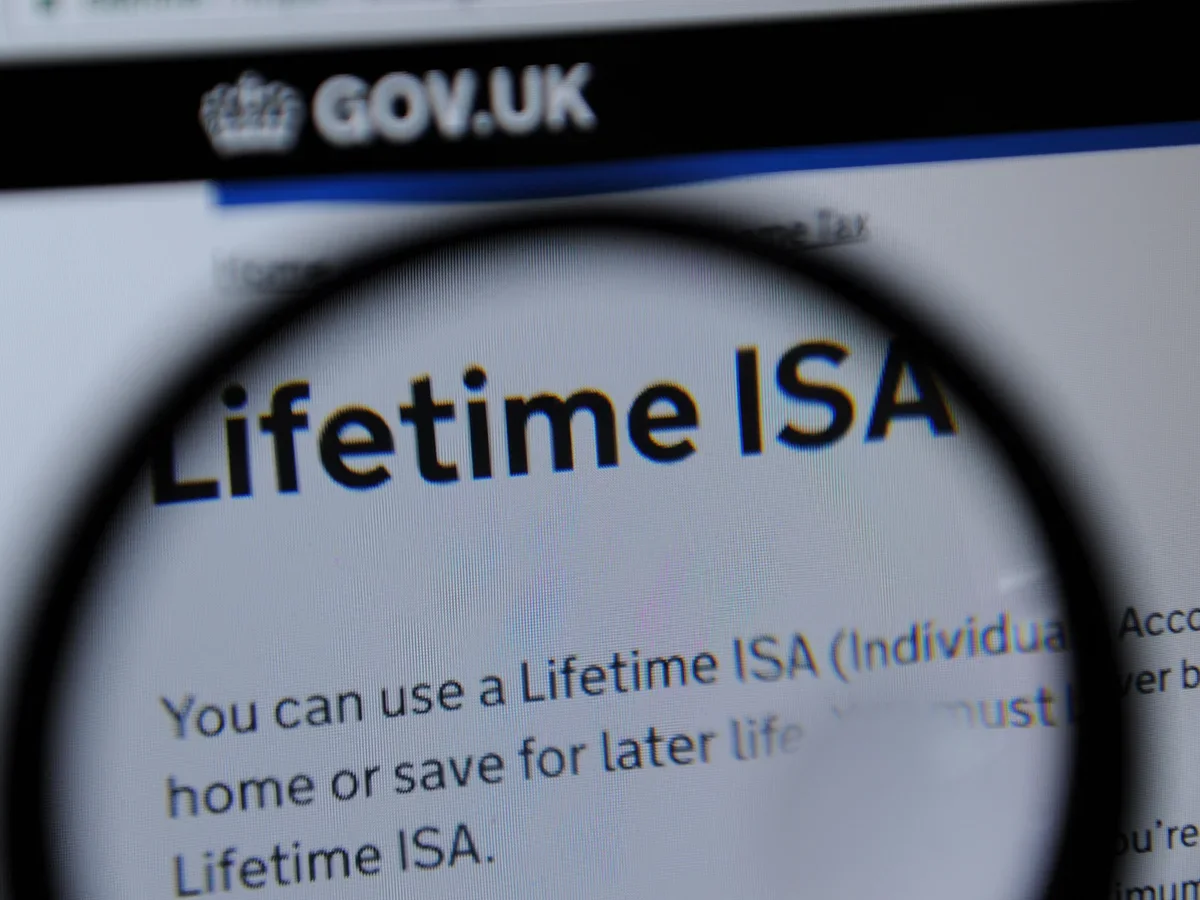
The UK government has outlined new reforms to the Lifetime ISA (Individual Savings Account), prompting debate among investors and first-time buyers. Chancellor Rachel Reeves has stated a commitment to increasing public participation in long-term saving and investment.
However, recent indications suggest that changes to the Lifetime ISA, one of the most popular savings vehicles, may alter incentives and limit benefits for savers.
Concerns have emerged about the potential consequences for young people, the self-employed, and the wider investment landscape as the government moves forward with proposed legislation set to be implemented by April 2028.
Background on the Lifetime ISA
The Lifetime ISA was introduced to support people aged 18 to 39 in saving for their first home or for retirement. Savers can currently deposit up to £4,000 annually, with a 25 per cent government bonus of up to £1,000 each year.
Withdrawals for eligible house purchases or after the age of 60 are tax-free, while early withdrawals for other purposes incur a penalty, including loss of the bonus plus an additional charge.
Proposed Changes to ISA Bonuses
The government has announced plans to amend the way bonuses are awarded under the Lifetime ISA scheme. According to current proposals, the government bonus would no longer be paid monthly or annually.
Instead, the bonus would be granted only at the point of purchasing a first home or upon retirement. This represents a significant shift from the existing model, where savers benefit from the effect of compound growth on government bonuses over time.
Implications for Savers and Investors
Financial analysts have raised concerns that the proposed delay in paying the bonus could reduce the attractiveness of the Lifetime ISA. By withholding the bonus until a property purchase or retirement, savers would lose out on investment growth that could have been earned if the bonus was paid earlier.
For example, an individual saving £4,000 per year over ten years could see a notable reduction in total savings under the revised rules compared to the current system, with estimated losses in potential returns.
Impact on the Housing Market
Currently, the Lifetime ISA allows savers to put their government-supported savings towards homes valued up to £450,000.
However, this cap has been criticised for excluding buyers in higher-cost regions such as London and the South East. There has been no official indication of plans to increase this limit, raising ongoing concerns about accessibility for potential homeowners in those areas.
Response from the Government
The Treasury has stated that the new Lifetime ISA scheme aims to address concerns over the penalty for unauthorised withdrawals, which can see the government reclaim not only its own bonus but also a portion of the original savings.
The revised approach would eliminate this extra penalty, according to official statements. However, there is currently no indication that the new model would allow earlier access to bonus awards or provide the same flexibility for withdrawals as before.
Final Summary
The government’s planned reforms to the Lifetime ISA mark a significant change for UK savers, especially first-time buyers and self-employed workers utilising this scheme as an alternative to pensions.
By deferring bonuses until the point of house purchase or retirement, the proposals may alter both the value and the appeal of the product. While the Treasury states that changes will remove certain withdrawal penalties and improve sustainability, concerns persist about lost investment opportunities and regional disparities in house purchases.
Savers are encouraged to monitor official updates and consider how these changes could affect their long-term goals. Readers seeking further insight into managing Lifetime ISA investments can find guidance and updates through the Pie app.