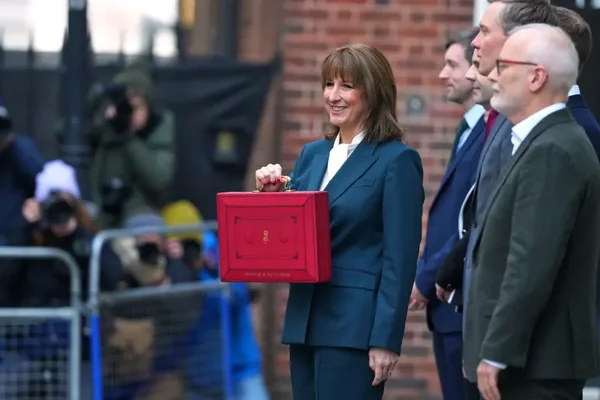
Plans empowering English regional mayors to introduce a visitor levy on overnight stays have prompted significant debate within the UK’s political and business communities. Under measures announced in a previous Budget by the Chancellor, local authorities may soon be able to apply a charge to stays in hotels, Airbnbs, and holiday lets.
The policy, intended to provide additional funding for local infrastructure, has prompted concern from industry leaders and opposition politicians. Critics suggest the additional costs could place further financial pressure on working families already coping with a high cost of living.
The government maintains that these discretionary local levies would allow regions more autonomy in addressing economic challenges and funding priorities.
Overview of the visitor levy proposal
The visitor levy under consideration would grant English regional mayors and local authorities the power to impose a surcharge on overnight accommodation. The measure aligns the UK with practices in other European countries, where local taxes on hotel stays are common.
According to policy details outlined by the Treasury, revenues collected from this levy would be earmarked for investment in local infrastructure and services. Officials have stated that implementation would be at the discretion of each local authority, and there is no standardised threshold or rate at this stage.
The possible levy could add as much as £100 to the total cost of a two-week holiday, based on industry calculations.
Reaction from the hospitality industry
The hospitality sector has expressed strong concerns about the possible introduction of the visitor levy. Over two hundred accommodation providers, including large operators such as Butlin’s, Haven, and Parkdean Resorts, have written to the Chancellor to express their opposition.
In the open letter, industry leaders argue that the tax would disproportionately impact guesthouses, B&Bs, and hotels that are already managing “crippling” business rate bills. Kate Nicholls, Chief Executive of UK Hospitality, stated:
“Our guesthouses, B&Bs and hotels are already struggling with business rates, and this will hit hard-working families, communities and exacerbate the cost of living.”
Political responses to the proposed levy
Reaction from opposition parties has been critical. Richard Tice, Deputy Leader of Reform UK, described the policy as “another tax on working families and British businesses at a time when people already face mounting pressures on household budgets.”
He further commented, “Travelling within your own country should not come with another hidden charge tacked on at the end of your holiday. The government should focus on economic growth rather than penalising people for taking a holiday.”
Labour Party leader Sir Keir Starmer has continued to emphasise his commitment to easing the cost of living, asserting that supporting families through economic challenges is a key policy priority.
Financial implications for working families
Industry estimates indicate the visitor levy could increase holiday accommodation costs by up to £100 for a two-week family break, should local authorities decide to enact the maximum charge.
Holiday parks and budget accommodation providers warn that these additional charges may deter domestic tourism, particularly for those on lower incomes.
Advocacy groups for the hospitality sector caution that additional taxes could be counterproductive, potentially reducing demand for domestic holidays and impacting local economies that rely on tourism.
Local authorities’ powers and intentions
According to statements from the Chancellor and Treasury briefings, the visitor levy is designed as a local empowerment tool. Councils and directly elected mayors would be able to assess whether to implement the charge based on local needs.
So far, no uniform decision has been taken across England, and each authority will have the discretion to adopt, modify, or decline the levy.
Final Summary
The policy debate regarding the visitor levy on overnight stays highlights the challenge of balancing local authority funding with the economic pressures facing working families. While the government contends that discretionary levies can enhance local investment and autonomy, opponents warn of negative repercussions for tourism and household finances.
The hospitality industry and several political leaders continue to call for careful consideration of the levy’s impacts. As discussions progress, the outcome will likely influence both the domestic tourism sector and approaches to local government funding.
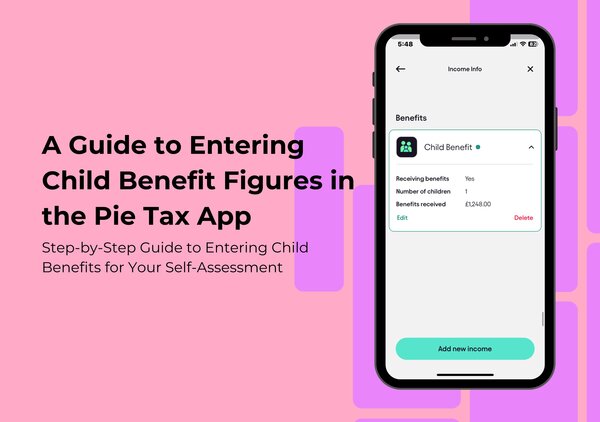
For those seeking clarity on policy developments or needing help with tax planning, digital resources such as the Pie app offer independent guidance on navigating new charges.